
Low-Density vs. High-Density Master Planning in Modern Gated Enclaves
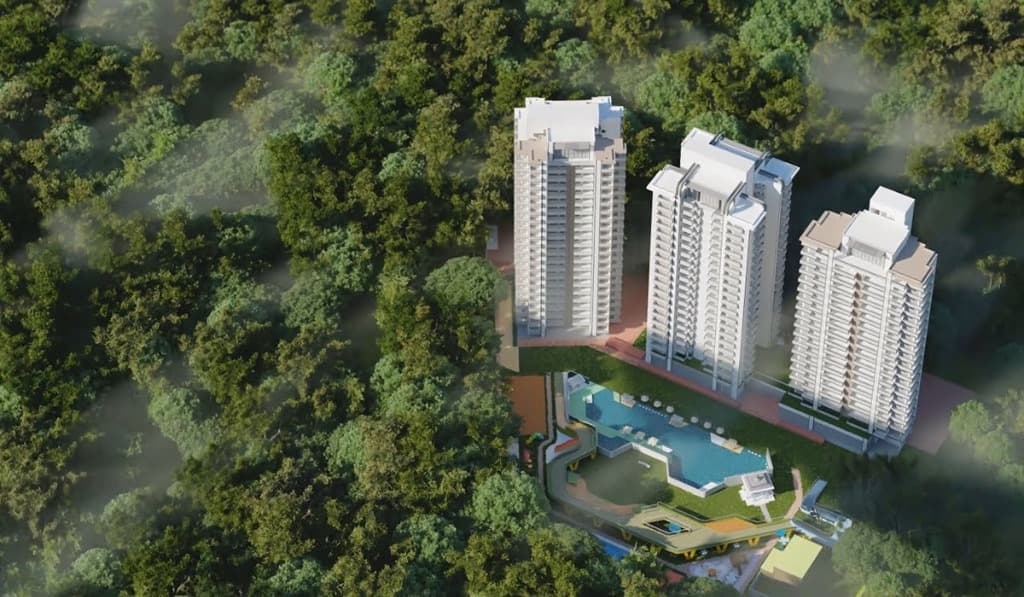
- Low-density developments house 35 to 50 families per acre vs 80 to 100 in high-density blocks.
- Significantly shorter lift waiting times with dedicated high-speed elevators.
- More open green space per resident for sports, walking, and social gatherings.
- Higher long-term land share value per apartment supporting stronger capital appreciation.
1. What Defines Density in Real Estate?
Density in master-planned communities is measured by the number of residential units or population per acre of allotted land. High-density developments cram up to 100 homes per acre to maximize developer volume, creating congested basements and crowded clubhouses.
Low-density communities prioritize resident tranquility. At Northwind Estate in Sector 22D Yamuna Expressway, lower tower density ensures wide vistas, peaceful walking trails, and generous parking allocations.
2. The Elevator Waiting Time Test
During morning peak hours (7:30 AM to 9:00 AM), elevator wait times in high-density towers can exceed 6 to 8 minutes. In low-density towers with only 2 to 3 apartments per core, wait times are negligible, directly elevating your daily quality of life.
Planning to invest in Sector 22D Yamuna Expressway?
Get official architectural blueprints, verified price lists, and a free site visit pickup.
Frequently Asked Questions on this Topic
Why do low-density properties appreciate faster?
Low-density developments hold a significantly higher undivided share of land (UDS) per apartment owner. As land prices on the Yamuna Expressway rise with the Jewar Airport opening, higher land ownership translates to superior capital gains.
Related Real Estate Guides
View all articlesHow to Compare 3 BHK and 4 BHK Floor Plans: A Practical Buyer Guide
When comparing three-bedroom and four-bedroom layouts, evaluate functional spatial zoning, balcony distribution, en-suite bathroom privacy, and long-term household expansion requirements rather than assessing total gross square footage alone.
Carpet Area vs. Super Built-up Area: What Every Homebuyer Must Know
A clear understanding of RERA carpet area—the net usable floor area bounded by internal walls—versus super built-up area helps homebuyers evaluate genuine living space and assess true price-per-square-foot metrics across residential developments.
10 Important Things to Consider Before Buying a Residential Property
Key technical and civic factors to examine prior to property commitment include structural earthquake resistance ratings, internal tower setbacks, low-density zoning, vehicular circulation plans, and access to arterial road networks.
Plan a Physical Site Tour of Northwind Estate
Complimentary air-conditioned executive cab pickup available across Delhi NCR.