
Evaluating Natural Light and Cross-Ventilation in Residential High-Rises
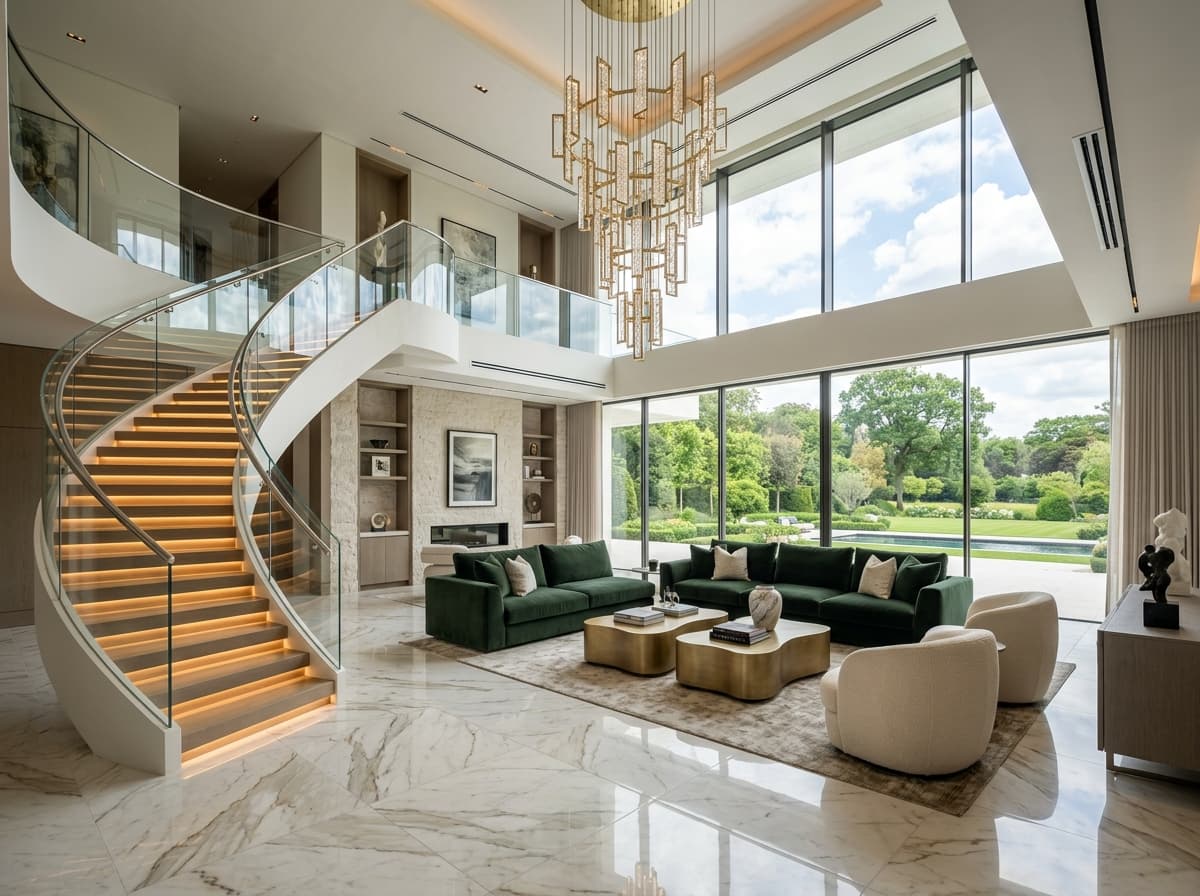
- Dual-aspect positioning allows air to enter one side and exit another via pressure gradients.
- Deep overhang balconies shade living areas from harsh afternoon summer sun.
- Abundant natural daylight reduces electricity consumption and improves mental well-being.
- Check tower separation distances to ensure neighboring structures don't block sunlight.
1. The Physics of High-Rise Cross-Ventilation
Cross-ventilation occurs when windows or balcony openings are placed on opposing or adjacent exterior walls. As prevailing winds hit the windward side, a high-pressure zone is created, forcing fresh air through living spaces and out the lower-pressure leeward side.
Single-side open apartments in dense towers suffer from stagnant indoor air, requiring continuous mechanical air conditioning. In contrast, Northwind Estate's dual-aspect 3 & 4 BHK units enable natural cooling throughout the year.
2. Sun Path Orientation & Window-to-Wall Ratios
In northern India, north and east-facing living rooms receive gentle morning sunshine without heat buildup, while south and west faces require insulated UPVC double glazing and shading louvers to mitigate intense afternoon heat.
Planning to invest in Sector 22D Yamuna Expressway?
Get official architectural blueprints, verified price lists, and a free site visit pickup.
Frequently Asked Questions on this Topic
How does tower orientation affect energy bills?
Well-ventilated, daylit apartments can reduce electricity consumption for cooling and daytime lighting by up to 25% to 30% compared to poorly oriented single-aspect flats.
Related Real Estate Guides
View all articlesHow to Compare 3 BHK and 4 BHK Floor Plans: A Practical Buyer Guide
When comparing three-bedroom and four-bedroom layouts, evaluate functional spatial zoning, balcony distribution, en-suite bathroom privacy, and long-term household expansion requirements rather than assessing total gross square footage alone.
Carpet Area vs. Super Built-up Area: What Every Homebuyer Must Know
A clear understanding of RERA carpet area—the net usable floor area bounded by internal walls—versus super built-up area helps homebuyers evaluate genuine living space and assess true price-per-square-foot metrics across residential developments.
10 Important Things to Consider Before Buying a Residential Property
Key technical and civic factors to examine prior to property commitment include structural earthquake resistance ratings, internal tower setbacks, low-density zoning, vehicular circulation plans, and access to arterial road networks.
Plan a Physical Site Tour of Northwind Estate
Complimentary air-conditioned executive cab pickup available across Delhi NCR.